Thursday, July 7, 2016

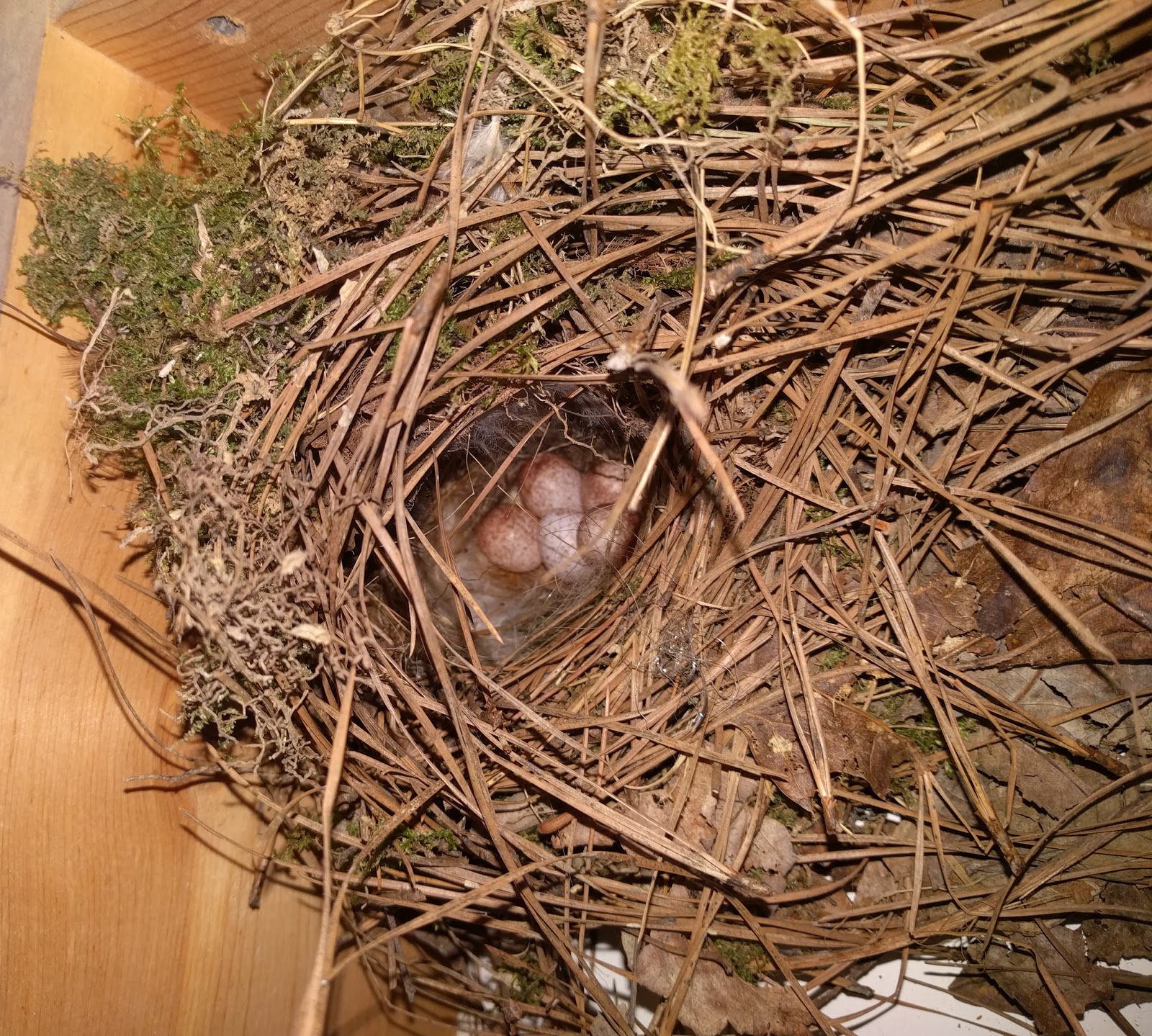
Birdsong from Inside the Egg - El trino de pájaro dentro del huevo -158


Birdsong from Inside the Egg

There is an excess
in spiritual searching
that is profound ignorance.

Let that ignorance be our teacher.
The Friend breathes into one
who has no breath.

A deep silence revives the listening
and the speaking of those two
who meet on the riverbank.

Like the ground turning green in a spring wind,
like birdsong beginning inside the egg.

Like this universe coming into existence,
the lover wakes, and whirls
in a dancing joy,

then kneels down
in praise.
El trino de pájaro dentro del huevo

Hay un exceso en la búsqueda espiritual que es ignorancia profunda.

Deja que esa ignorancia sea nuestra maestra. El Amigo respira en quien no tiene aliento.

Un silencio profundo revive el escuchar y el hablar de aquellos dos que se encuentran a la orilla del río.

Como la tierra se viste de verde con el viento de la primavera, como el trino del pájaro empieza dentro del huevo.

Como el universo empezando a existir, el amante despierta, y
gira en una danza gozosa,

y luego se arrodilla en una plegaria.
Commentary: “This thing we tell of can never be found by seeking, yet only seekers find it.” Al-Hallaj
Pause in seeking and listen for the bird song inside of the egg in your developing being.


Comentario:  “Esto de lo que hablamos nunca puede ser encontrada buscando, sin embargo sólo quienes buscan la encuentran”  Al-Hallaj

Pausa y deja de buscar, en vez de ello escucha a ver si percibes el trino del pájaro dentro del huevo en tu ser que se está desarrollando”.

Wednesday, July 6, 2016

Emptiness - Vacío - 157


Emptiness

Now I return to the text,

And He is with you,
wherever you are.
(Qur'an 57:4)

But when have I ever left it?

Ignorance is God's prison.
Knowing is God's palace.

We sleep in God's unconsciousness.
We wake in God's open hand.

We weep God's rain.
We laugh God's lightning.

Fighting and peacefulness
both take place within God.

Who are we then
in this complicated world-tangle,
that is really just the single straight line down at the beginning of ALLAH?

Nothing.
We are emptiness.
Vacío

Ahora regreso al texto,

Y El esta contigo,
donde quiera que estés
(Corán 57:4)

¿Pero cuando lo he dejado?

La ignorancia es la prisión de Dios.
Saber es el palacio de Dios.

Dormimos en el inconsciente de Dios.
Nos despertamos en la mano extendida de Dios.

Lloramos la lluvia de Dios.
Reímos los relámpagos de Dios.

Pelear y estar en paz ambos se llevan a cabo en Dios.

¿Quienes somos entonces en este mundo tan complicado, que es en realidad la línea sencilla y recta al principio de ALÁ?

Nada.
Somos el vacío.
Commentary:
A definition of emptiness (When God lives in a soul)  ​and non-emptiness (when soul lives in God)​ from the book “Sacrament of the Present Moment”:
There is a time when the soul lives in God and there is also a time when God lives in the soul. What is appropriate to one of these conditions is inappropriate to the other. When God lives in souls, they must surrender themselves totally to him. Whereas when souls live in God , they must explore carefully and scrupulously every means they can find which may lead them to their union with him. All their paths are clearly marked – their reading, values and ideas …
When God lives in souls there is nothing of themselves left, save what comes from his inspiration. For them there are no plans, no longer any clearly marked paths.


Comentario:  Una definición del vacío (cuando Dios vive en un alma) o del no-vacío (cuando  el alma vive en Dios) del libro “El Sacramento del Momento Presente”:


Hay un tiempo en que el alma vive en Dios y también hay un tiempo en que Dios vive en el alma. Lo que es apropiado para una de estas condiciones es inapropiado para la otra. Cuando Dios vive en las almas, ellas se entregan totalmente a el. Mientras que cuando el alma vive en Dios, ellas deben explorar con cuidado y escrupulosamente todos los medios que les lleven a unirse con el. Todos sus caminos están claramente marcados - sus lecturas, sus valores e ideas…
Cuando Dios vive en las almas no queda nada de sí mismas, excepto lo que llega de su inspiración. Para ellas no hay planes, ni caminos claramente marcados.

Tuesday, July 5, 2016

The Tree of Awe - El Árbol del Asombro - 156


The Tree of Awe

How does part of the world leave the world?
How can wetness leave water?

Don't try to put out a fire by throwing on more fire. Don't wash a wound with blood.

No matter how fast you run, your shadow more than keeps up. Sometimes it's in front.
Only full, overhead sun diminishes your shadow.

But that shadow has been serving you.
What hurts you blesses you.

Darkness is your candle.
Your boundaries are your quest.

I can explain this, but it would break the glass cover on your heart, and there is no fixing that.

You must have shadow and light source both.
Listen, and lay your head under the tree of awe.

When from that tree, feathers and wings sprout on your soul, be quieter than a dove.
Don't open your mouth for even a cooooo.
El Árbol del Asombro

¿Cómo se va del mundo una parte del mundo?
¿Cómo puede lo mojado irse del agua?

No trates de apagar un fuego echando más fuego. No laves una herida con sangre.

No importa qué tan rápido corras tu sombra siempre te acompaña. A veces va adelante. Solamente el sol intenso del medio día disminuye tu sombra.

Pero esa sombra te ha servido.
Lo que lastima te bendice.

La oscuridad es tu vela.
Tus límites son tu búsqueda.

Te puedo explicar esto pero rompería la cubierta de vidrio de tu corazón, y esa no se puede reparar.

Debes recibir inspiración de las dos, de la sombra y de la luz.
Escucha y recuesta tu cabeza sobre el árbol del asombro.

Cuando de ese árbol empiecen a nacer plumas y alas en tu alma, quedate mas silencioso que una paloma. No abras tu boca ni siquiera para hacer un gorjeo cooooo.
Commentary: You can’t heal shame by shaming yourself for being ashamed. Hating yourself for not being loving doesn’t produce love.
Many folks seek to leave their shadow behind by flying up into the light of positive thinking; they think they are in control. They fly up into an optimistic ego light with their back to their huge dark unconscious shadow. A person just can’t leave the bulk of themselves behind. The gravity of the darkness sabotages their efforts and sometimes pulls them into the dark despair. A resurrection requires looking inward to the darkness; bring the light of compassionate awareness into the dark. Rumi call this a grounded and crumpled surrender.
“Grieve, mourn and wail. Change your laughter to mourning and your joy to gloom… Humble yourselves before the Friend, and he will lift you up.” James 4
“Who looks outside, dreams; who looks inside, awakes”. Carl Jung
My ego boundary between me and you (the universe) is my quest. Awe is my medicine to shrink my inflamed and inflated ego. Silence help keep me out of the jaws of ego and on the path of my quest.


Comentario:  No puedes sanar la culpa si te sigues culpando for sentirte culpable. Odiarte a ti mismo por no ser amoroso no produce amor.
Muchas personas buscan dejar su sombra atrás y vuelan hacia la luz del pensamiento positivo; creen que tienen control. Vuelan hacia la luz de un ego optimista de espaldas a la enorme oscuridad inconsciente de su sombra. Una persona no puede dejar esa gran parte de si atras. La gravedad de esa oscuridad sabotea sus esfuerzos y a veces los jala hacia un sentimiento de desesperación. La resurrección requiere ver adentro hacia esa oscuridad. Llevar la luz del observador compasivo hacia lo oscuro. Rumi llama a eso un rendirse estropeado y bien fundado en la realidad.  


“Aflíjete, llora y gime. Cambia tu risa por llanto, y tu alegría por tristeza… Ríndete ante el Amigo, y él te elevará.” James 4
“El que busca afuera sueña; el que busca dentro despierta”. Carl Jung

El límite de mi ego entre yo y tu (la realidad) es mi búsqueda. El asombro es la medicina para encoger a mi ego inflado e inflamado. El silencio me ayuda a escapar de las mandíbulas del ego y me mantiene en el camino de esa búsqueda.
Monday, July 4, 2016

One Song - Una Canción - 155


One Song

Every war and every conflict
between human beings has happened
because of some disagreement about names.

It is such an unnecessary foolishness,
because just beyond the arguing
there is a long table of companionship set and waiting for us to sit down.

What is praised is one, so the praise is one too, many jugs being poured into a huge basin.
All religions, all this singing, one song.

The differences are just illusion and vanity.
Sunlight looks a little different
on this wall than it does on that wall
and a lot different on this other one,
but it is still one light.

We have borrowed these clothes,
these time-and-space personalities,
from a light, and when we praise,
we are pouring them back in.
Una Canción

Todas las guerras y desacuerdos entre los seres humanos han sucedido por un desacuerdo en los nombres.

Es una tontería innecesaria porque justo detrás de las discusiones hay  una larga mesa de compañerismo que está puesta y lista para que nos sentemos.

Lo que se alaba es uno, asi que la alabanza es también una, muchas jarras que se vacían en un gran cuenco.
Todas las religiones, todos los cantos, una canción.

Las diferencias son tan solo ilusión y vanidad.
El reflejo de la luz del sol se ve un poco diferente en este muro de como se ve en aquel otro y mucho más diferente en el de allá, pero es la misma luz.

Estas personalidades de tiempo-y-espacio son ropas prestadas de una luz, y cuando alabamos las estamos volviendo a verter.
Commentary: Pride, guilt, shame, depression, anxiety, anger, and loneliness are signs of consciousness imprisoned in the solitary confinement of ego. Living inside the ego cell we suffer because at some level we know that nothing short of singing this one song will bring our heart’s deepest desire of unity consciousness and being love.  
Comentario:  El orgullo, la culpa, la vergüenza, la depresión, la ansiedad, el enojo y la soledad son señales de que el consciente es prisionero en la cárcel solitaria del ego. Al vivir en esta cárcel sufrimos porque a cierto nivel sabemos que nada excepto cantar esa única canción nos concederá el deseo más profundo de nuestro corazón - la unidad consciente y ser amor.

Sunday, July 3, 2016

Surrender - Ríndete - 154


Surrender

Joseph is back.
And if you don't feel in yourself
the freshness of Joseph,
be Jacob.

Weep, and then smile.
Do not pretend to know something
you have not experienced.

There is a necessary dying,
and then Jesus is breathing again.

Very little grows on jagged rock.
Be ground. Be crumbled,
so wildflowers will come up
where you are.

You have been stony for too many years.
Try something different. Surrender.
Ríndete

José ha regresado.
Y si no sientes en ti la frescura de José,
se Jacobo.

Llora y luego sonríe.
No pretendas que sabes algo que no  has experimentado.

Hay una muerte que es necesaria, y luego Jesús vuelve a respirar.

Pocas cosas crecen entre peñascos.
Se tierra. Desmoronate, para que las flores silvestres surjan donde tu estas.

Has sido tenido una expresión pétrea demasiados años.
Intenta algo diferente. Ríndete.  
Commentary: The necessary death of ego will let you soften up until you are able to perceive the oneness of the world. Wildflowers bloom when you step consciously on this earth. Feeling free within, silent, surrendered.
Comentario:  La muerte necesaria del ego te hará más dulce y compasiva hasta que logres percibir la unidad del mundo. Las flores silvestres brotan a cada paso que das conscientemente sobre la tierra. Me siento libre, silenciosa, rendida.

Saturday, July 2, 2016

The Treasure’s Nearness - La Cercanía del Tesoro - 153


The Treasure’s Nearness

A man searching for spirit-treasure
cannot find it, so he is praying.

A voice inside says, You were given
the intuition to shoot an arrow
and then to dig where it landed,
but you shot with all your archery skill.

You were told to draw the bow
with only a fraction of your ability.

What you are looking for
is nearer than the big vein
on your neck. Let the arrow drop.

Do not exhaust yourself
like the philosophers who strain to shoot the high arcs of their thought-arrows.

The more skill you use,
the farther you will be
from what your deepest love wants.
La Cercanía  del Tesoro

Un hombre en busca del tesoro espiritual no lo encuentra, asi que empieaza a rezar.

Un voz interior le dice. Te fue dada la intuición para disparar una flecha y después excavar en donde cayó, pero en vez de ello disparaste con toda tu destreza de arquero.

Te dijeron que jalaras el arco solamente con una fracción de tu habilidad.

Lo que buscas está más cerca de ti que la gran vena en tu cuello. Deja caer la flecha.

No te fatigues como los filósofos que se esfuerzan en disparar los grandes arcos de sus pensamientos-flechas.

Mientras más uses la destreza, más te alejarás de lo que tu amor más profundo quiere.
Commentary: When the burden of ultimate life meaning is loaded on the donkeys of physical or thought travel the results are not satisfactory; you might as well ask a donkey to do calculus. Rumi discourages travel to Mecca.  Look for the black stone in your own being.  
Comentario:  Cuando a la carga del peso que llevamos intentado conocer el significado último de la vida se le añaden los burros de lo físico o mental el viaje no es satisfactorio. Mejor pídele a un burro que se ponga a hacer cálculos.  Rumi desanima a los viajeros de ir a la Meca. Más bien les dice que busquen la Piedra Negra en su interior.

Friday, July 1, 2016

Stingy Aloeswood - Madera de Aloe Tacaña - 152


Stingy Aloeswood

Fear and hurt are lassoes
drawing you through a door.

Lord, Lord, you say weeping.
Green herbs sprout where those tears fall.

Dawn comes; blindness drains away.
Each day is eternity.

Do not avoid your suffering.
Plunge it into the Nile.

Purify your stubbornness.
Drown it. Burn it.

Your body is a stingy piece of aloeswood
that will not let go its healing power
until you put it in the fire.

Now Shams leans near to remind me,
That's enough sourness. No more vinegar.
Madera de Aloe Tacaña

El miedo y el dolor son lazos que te jalan a través de una puerta.

Dios, Dios dices llorando.
Y brotan yerbas verdes donde caen esas lágrimas.

Llega el amanecer;  se esfuma la ceguera.  Cada día es la eternidad.

No evites el sufrimiento.
Metélo de lleno en el Río Nilo.

Purifica tu terquedad.
Ahógala. Quémala.

Tu cuerpo es una pieza de madera de aloe tacaña que no suelta su poder de sanar hasta que la pones en el fuego.

Ahora Shams se acerca para recordarme, Ya es suficiente acidez. No mas vinagre.
Commentary: Who suffers in you and who in you can view the sufferer without self-pity? The sufferer is willful while the observer is subtle, strong and can say, “We’ll see” when there is suffering.
Comentario:  ¿ Quién en ti sufre, y quién en ti puede observar el sufrimiento sin tenerte lástima? El que sufre es voluntarioso mientras que el observador es sutil, fuerte y cuando hay sufrimiento dice “Ya veremos”.